
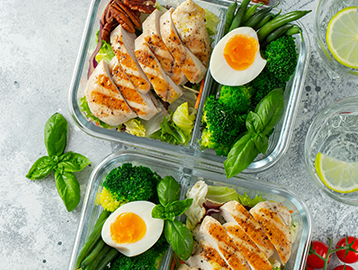
Getting enough protein is vital to minimizing muscle loss on GLP-1s.

Protein
Fiber
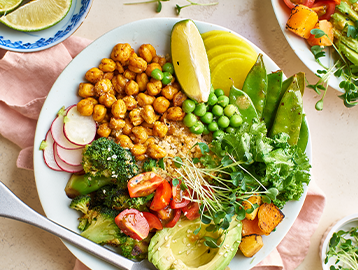
Fiber intake is important because GLP-1s slow down digestion.
Limiting Added Sugar
Added sugar provides calories, but often not much nutrition.
Hydration
GLP-1s can reduce thirst, so make sure you’re hydrating.
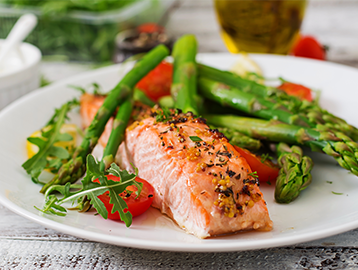
Vitamins & Minerals
“Essential” vitamins and minerals come from food.
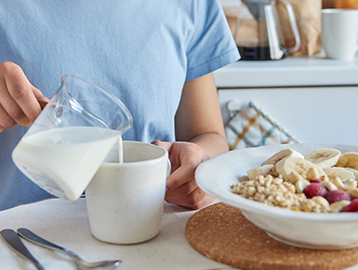
Calcium & Vitamin D
Make sure you’re getting enough of these – most people don’t.
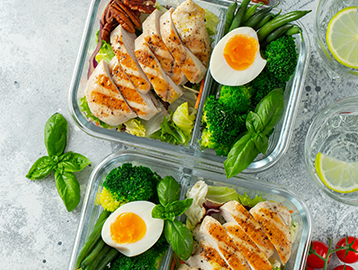
Protein
Getting enough protein is vital to minimizing muscle loss on GLP-1s
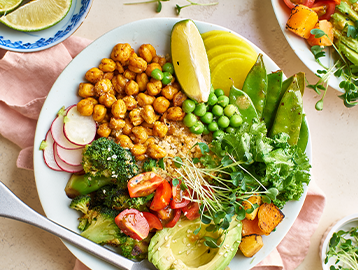
Fiber
Fiber intake is important because GLP-1s slow down digestion.
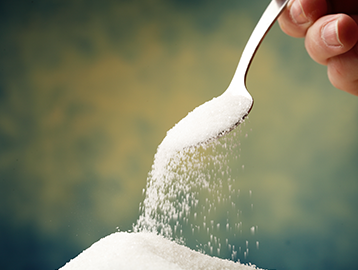
Limiting Added Sugar
Added sugar provides calories, but often not much nutrition.
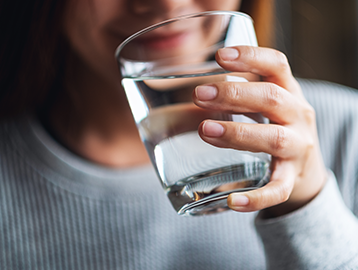
Hydration
GLP-1s can reduce thirst, so make sure you're hydrating.
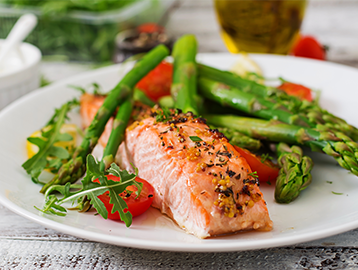
Vitamins & Minerals
"Essential" vitamins and minerals come from food.
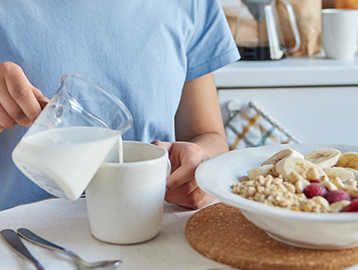
Calcium & Vitamin D
Make sure you're getting enough of these - most people don't.
¹Almandoz JP, Wadden TA, Tewksbury C, et al. Nutritional considerations with antiobesity medications. Obesity (Silver Spring). 2024;32(9):1613-1631.
²Department of Agriculture and U.S. Department of Health and Human Services. Dietary Guidelines for Americans, 2020-2025. 9th Edition. December 2020
³Institute of Medicine. 2005. Dietary Reference Intakes for Water, Potassium, Sodium, Chloride, and Sulfate. Washington, DC: The National Academies Press.
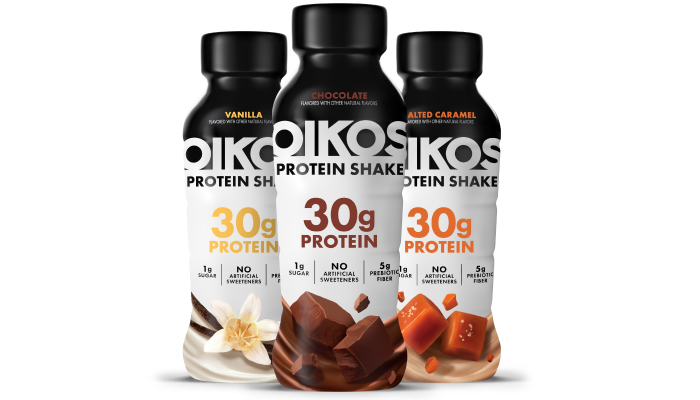
Oikos Pro Shot
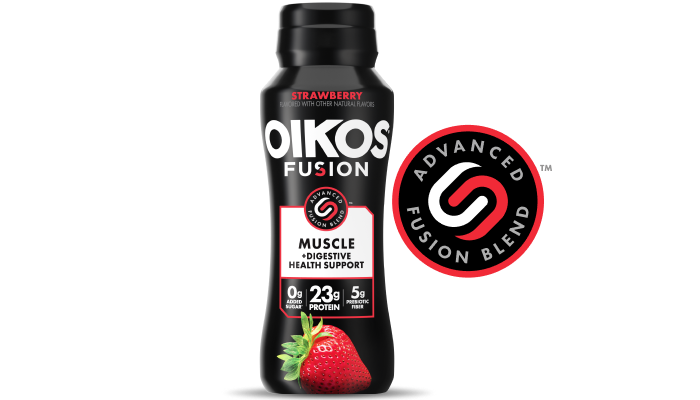
Oikos Fusion Drinks
Oikos Pro
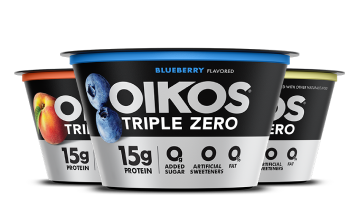
Oikos Zero
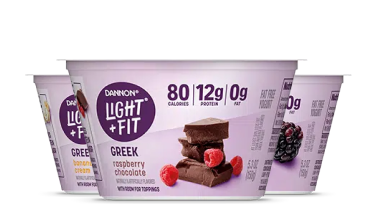
fit greek
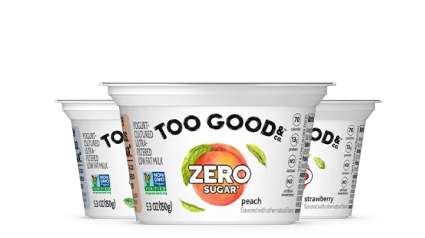
Too Good & Co. Zero Sugar**
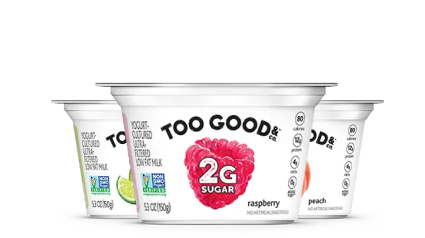
Too Good & Co. Blended
4 GLP-1 Nutrition Myths Debunked by a Dietitian

If you’re taking a GLP-1 medication, you may have heard conflicting advice about how to eat and what to expect during your weight loss journey. As a dietitian who works with GLP-1 users and a GLP-1 user myself, let’s review some common myths and the facts behind them to help you make informed decisions about your nutrition and health.
Myth 1:
You can't minimize muscle loss while on a GLP-1
Fact:
Protein + strength training help protect it.
medications is that most of the weight lost will be muscle mass. GLP-1 medications help reduce appetite and lower caloric intake, which leads to weight loss. Most weight lost is fat, but research suggest that about 20% of it is lost as lean muscle.¹ Maintaining muscle is key to overall health and wellness. Not only are our muscles essential for mobility and strength, they also play a role in blood sugar management and metabolism.²
To minimize the amount of muscle lost during a weight loss journey, prioritize protein intake combined with regular resistance training.³ Protein is an essential nutrient, meaning that it cannot be made in the body and is needed from the diet. If we don't meet our proteins needs, our bodies will break down muscle tissue to get what they need. Clinical recommendations suggest that people taking GLP-1 drugs should consume 80 - 120 grams of proteins per day.⁴ By focusing on high quality protein source - like lean meats, eggs, dairy, and plant-based proteins like soy - you make sure your body is getting the protein it needs to support musce repair and growth.
A major concern people have when starting GLP-1 medications is that most of the weight lost will be muscle mass. GLP-1 medications help reduce appetite and lower caloric intake, which leads to weight loss. Most weight lost is fat, but research suggests that about 20% of it is lost as lean muscle.1 Maintaining muscle is key to overall health and wellness. Not only are our muscles essential for mobility and strength, they also play a role in blood sugar management and metabolism.²
To minimize the amount of muscle lost during a weight loss journey, prioritize protein intake combined with regular resistance training.³ Protein is an essential nutrient, meaning that it cannot be made in the body and is needed from the diet. If we don’t meet our protein needs, our bodies will break down muscle tissue to get what they need. Clinical recommendations suggest that people taking GLP-1 drugs should consume 80-120 grams of protein per day.⁴ By focusing on high quality protein sources—like lean meats, eggs, dairy, and plant-based proteins like soy—you make sure your body is getting the protein it needs to support muscle repair and growth.
Myth 2:
It doesn't matter what you eat on a GLP-1 - the medication does all the work.
Fact:
What you eat still matters.
medications reduce hunger, you can keep your usual eating habits and still lose weight. While some individuals see weight loss results on these medications without changing the types of foods they eat, this isn't ideal nor the healthiest way to go about it. Relying solely on the medication without making lifestyle changes, including more mindful food choices, may not build the long-term healthy habits needed to nourish your body and maintain your weight loss results.
Balanced nutrition plays a crucial role in overall health, especially when using GLP-1 medications.⁵ Because you may find yourself eating and drinking less, it's important to maximize the nutrition you're getting at each meal and snack to help avoid nutrient deficiencies that could negatively impact your health. Choosing a variety of whole foods - like vegetables, fruits, whole grains, dairy, and lean proteins - provides the essential vitamins and minerals your body needs to function optimally. Creating healthier eating habits now can make all the difference in how you feel throughout your weight loss journey.
It might sound tempting to think that because GLP-1 medications reduce hunger, you can keep your usual eating habits and still lose weight. While some individuals see weight loss results on these medications without changing the types of foods they eat, this isn’t ideal nor the healthiest way to go about it. Relying solely on the medication without making lifestyle changes, including more mindful food choices, may not build the long-term healthy habits needed to nourish your body and maintain your weight loss results.
Balanced nutrition plays a crucial role in overall health, especially when using GLP-1 medications.⁵ Because you may find yourself eating and drinking less, it’s important to maximize the nutrition you’re getting at each meal and snack to help avoid nutrient deficiencies that could negatively impact your health. Choosing a variety of whole foods—like vegetables, fruits, whole grains, dairy, and lean proteins—provides the essential vitamins and minerals your body needs to function optimally. Creating healthier eating habits now can make all the difference in how you feel throughout your weight loss journey.
Myth 3:
Protein and water are the only things I need to worry about.
Fact:
You need more than just two nutrients.
on GLP-1. A lot of online information suggests that focusing solely on hitting your protein targets and drinking plenty of water on GLP-1 will suffice. Though important, protein and hydration are pieces of a much bigger puzzle. Eating less food while on a GLP-1 can make it harder to get the key nutrients your body needs - like fiber, calcium, vitamin D, B vitamins, potassium, and healthy fats - to keep all its systems running smoothly and you feeling your best.
For instance, did you know that GLP-1 medications slow down your digestion? Meeting fiber needs can help support digestive health and potentially help minimize common gastrointestinal side effects while taking a GLP-1.
Evidence supports tha idea that eating a well-rounded diet, rather than focusing on one or two nutrients, is key to overall wellness.⁶ By diversifying your food choices, you're more likely to get the full spectrum of nutrients needed to support your weight loss and long-term health goals.
It’s easy to fall into the trap of oversimplifying nutrition on GLP-1. A lot of online information suggests that focusing solely on hitting your protein targets and drinking plenty of water on GLP-1 will suffice. Though important, protein and hydration are pieces of a much bigger puzzle. Eating less food while on a GLP-1 can make it harder to get the key nutrients your body needs — like fiber, calcium, vitamin D, B vitamins, potassium, and healthy fats — to keep all its systems running smoothly and you feeling your best.
For instance, did you know that GLP-1 medications slow down your digestion? Meeting fiber needs can help support digestive health and potentially help minimize common gastrointestinal side effects while taking a GLP-1.
Evidence supports the idea that eating a well-rounded diet, rather than focusing on one or two nutrients, is key to overall wellness.⁶ By diversifying your food choices, you’re more likely to get the full spectrum of nutrients needed to support your weight loss and long-term health goals.
Myth 4:
Don't eat until you feel hungry.
Fact:
Plan meals - don't wait on hunger cues.
suppressing effects, which can alter familiar hunger cues. Some people believe that you should wait to eat until you experience physical signs of hunger, assuming that listening to your body and eating less often will boost the medication's effects. Hunger signals look different on GLP-1 and are often much subtler. Sometimes you may not feel obvious hunger signals until it's too late and you begin to experience negative side effects. When you let yourself get too hungry, you risk low energy, low blood sugar, and even developing nausea or lightheadedness.
It can be difficult to eat when you're not hungry, but it's important to get enough nutrittion to support your body. Aim for smaller, nutrient-rich meals or snacks every 3-5 hours. This steady intake helps maintain stable blood sugar and energy levels. Meal prepping and having nutritious ready-to-eat foods on hand can help make sure you have easy meals and snacks available throughout the day.
As your body adjusts to the medication, you may need to learn new hunger signals and plan your meals accordingly. By planning ahead and choosing balanced options, you can avoid the pitfalls of undereating while still benefiting from the appetite-regulating effects of your medication.
GLP-1 medications are known for their appetite-suppressing effects, which can alter familiar hunger cues. Some people believe that you should wait to eat until you experience physical signs of hunger, assuming that listening to your body and eating less often will boost the medication’s effects. Hunger signals look different on GLP-1 and are often much subtler. Sometimes you may not feel obvious hunger signals until it’s too late and you begin to experience negative side effects. When you let yourself get too hungry, you risk low energy, low blood sugar, and even developing nausea or lightheadedness.
It can be difficult to eat when you’re not hungry, but it’s important to get enough nutrition to support your body. Aim for smaller, nutrient-rich meals or snacks every 3–5 hours. This steady intake helps maintain stable blood sugar and energy levels. Meal prepping and having nutritious ready-to-eat foods on hand can help make sure you have easy meals and snacks available throughout the day.
As your body adjusts to the medication, you may need to learn new hunger signals and plan your meals accordingly. By planning ahead and choosing balanced options, you can avoid the pitfalls of undereating while still benefiting from the appetite-regulating effects of your medication.
- myth1
- myth2
- myth3
- myth4
¹ Mozzafarian D, Agarwal M, Aggarwal M, et al. Nutritional priorities to support GLP-1 therapy for obesity: A joint advisory from the American College of Lifestyle Medicine, the American Society for Nutrition, the Obesity Medicine Association, and the Obesity Society, Obesity Pillars. 2025; 15: 100181
² Karagounis L, Hawley J. (2010). Skeletal muscle: increasing the size of the locomotor cell. Int J Biochem Cell Biol 42(9): 1376–9.
³ Liu, Y., et al. (2023). Changes in body composition with GLP-1 receptor agonists: A systematic review and meta-analysis. Diabetes, Obesity and Metabolism. https://dom-pubs.onlinelibrary.wiley.com/doi/10.1111/dom.15728
⁴ Mozzafarian, et al. 2025
⁵ American Medical Association. (2023). In the age of GLP-1 agonists, food choices still matter for health. https://www.ama-assn.org/delivering-care/public-health/age-glp-1-agonists-food-choices-still-matter-health
⁶ University of Colorado Anschutz Medical Campus. (2023). The crucial role of balanced nutrition and exercise with weight-loss medications. https://news.cuanschutz.edu/health-and-wellness/the-crucial-role-of-balanced-nutrition-and-exercise-with-weight-loss-medications
Hydration Made Simple
GLP-1 can diminish thirst, but hydration is still essential - here's how to make it simple.
Evian
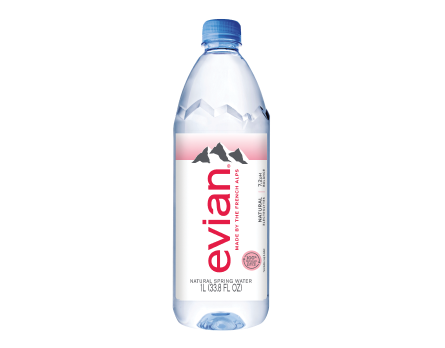
Tip 1
Keep a glass or water bottle within reach—hydrating should feel automatic, not like another task.
Tip 2
Set a reminder to drink water every half hour—just 5–10 sips can add up.
Tip 3
Start your morning with a hydrating ritual—a glass of water to start your day off right.
Tip 4
Add cucumber, strawberries, mint, watermelon or ginger to your water to make hydration feel like self-care.
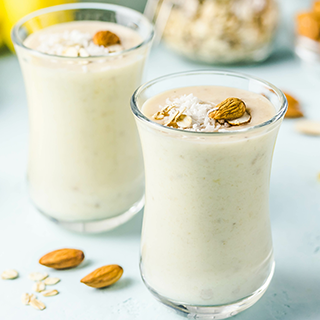
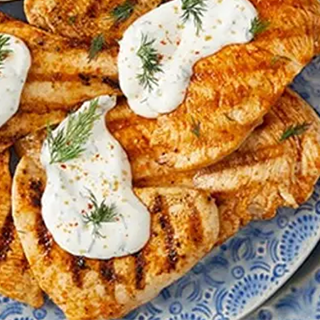
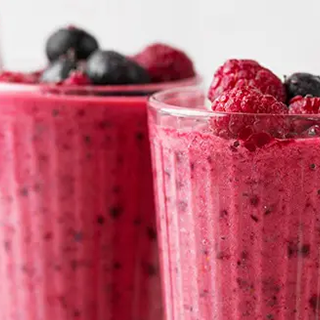
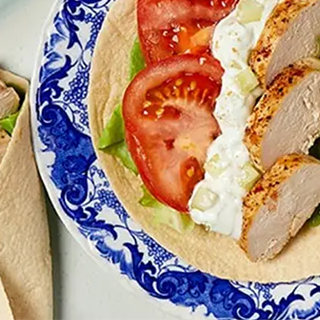
Simple pairings can boost the nutrition of your meals and snacks. Try these expert-approved combos:
How to use:
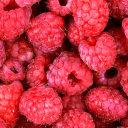
Add them to yogurt for a sweet, fiber-packed snack.
How to use:
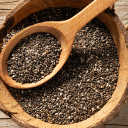
Mix into milk (dairy or Silk soymilk) and refrigerate for a few hours to make a simple chia pudding. Top with cinnamon or berries.
How to use:
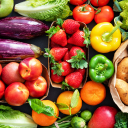
Pair with your favorite high-protein Danone yogurt for a refreshing, nutrient-rich snack.
Raspberries
Chia Seeds
Fruits & Veggies
*Consult your doctor or dietitian for specific nutrition advice while taking GLP-1 medications.
**Not a Low Calorie Food
***Contains whey. leucine, and vitamin D which, together with exercise and a balanced diet, help maintain muscles