Fast Facts
- At Danone USA, behind every cup of Danone yogurt is a farmer. We partner directly with American dairy farmers who care for nature, communities, and cows.
- The milk from these farms goes into the yogurts families know and love: , , , , , , and .
- For the last decade, we’ve partnered with dozens of farmers across the U.S. We work one on one to help build resilient businesses.
- We invest in and support our farm partners directly, providing resources to help grow and sustain their farms for generations to come.
- We’ve built a leading regenerative agriculture program with 100% of our U.S. partners voluntarily enrolled. The program is focused on:
- Resilient soil through crop rotation and planting techniques
- Smarter water use guided by data and tools that help crops get just what they need and reuse of water where possible
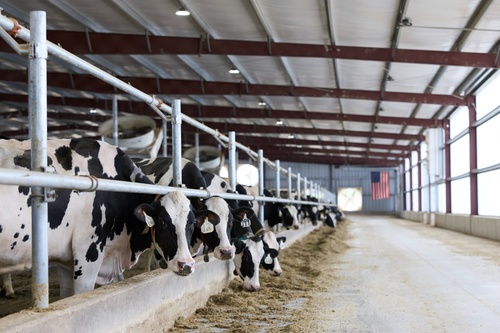
- Comfortable, cared-for cows with bedding, cow brushes, fans, shade and more
This work is a key part of the , our roadmap to bringing health through food to as many people as possible.
From Farm to Fridge: The Danone Milk Difference
Across the United States, dairy farmers are under pressure to do more with less: manage rising costs, respond to climate variability, and maintain animal welfare standards, all while keeping family farms economically viable.
In response, some food manufacturers are rethinking how they source milk and work with farmers. At Danone, that shift goes further, moving beyond traditional sourcing to a more integrated, one‑to‑one partnership model. Rather than relying on commodity pricing alone, Danone works directly with farmers to help design practices that make sense for their individual operations and bottom lines. We work to provide financial support with technical expertise, data tracking, and on‑farm innovation—creating a more hands‑on relationship with our partners that is built around farm viability, not just milk supply.
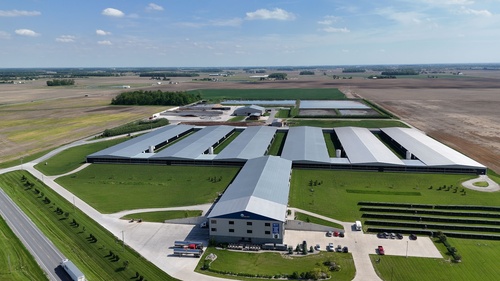
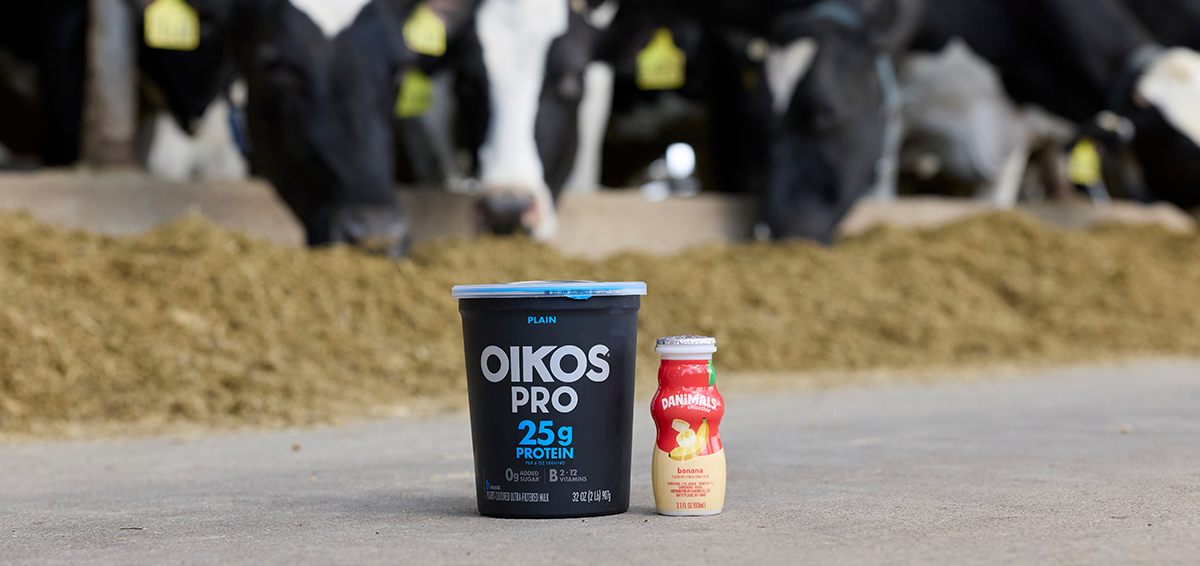
Danone USA works directly with dozens of American dairy farmers across the nation, building close, long-term partnerships designed to support both farm resilience and milk quality. Milk from those farms is used in a range of widely sold yogurts, including Oikos, , , , , , and .
Why Direct Farm Relationships Matter
Traditionally, dairy processors have had limited visibility into day‑to‑day farm operations. Direct partnerships change that dynamic, allowing companies and farmers to collaborate more closely on issues that affect long‑term supply and farm stability.
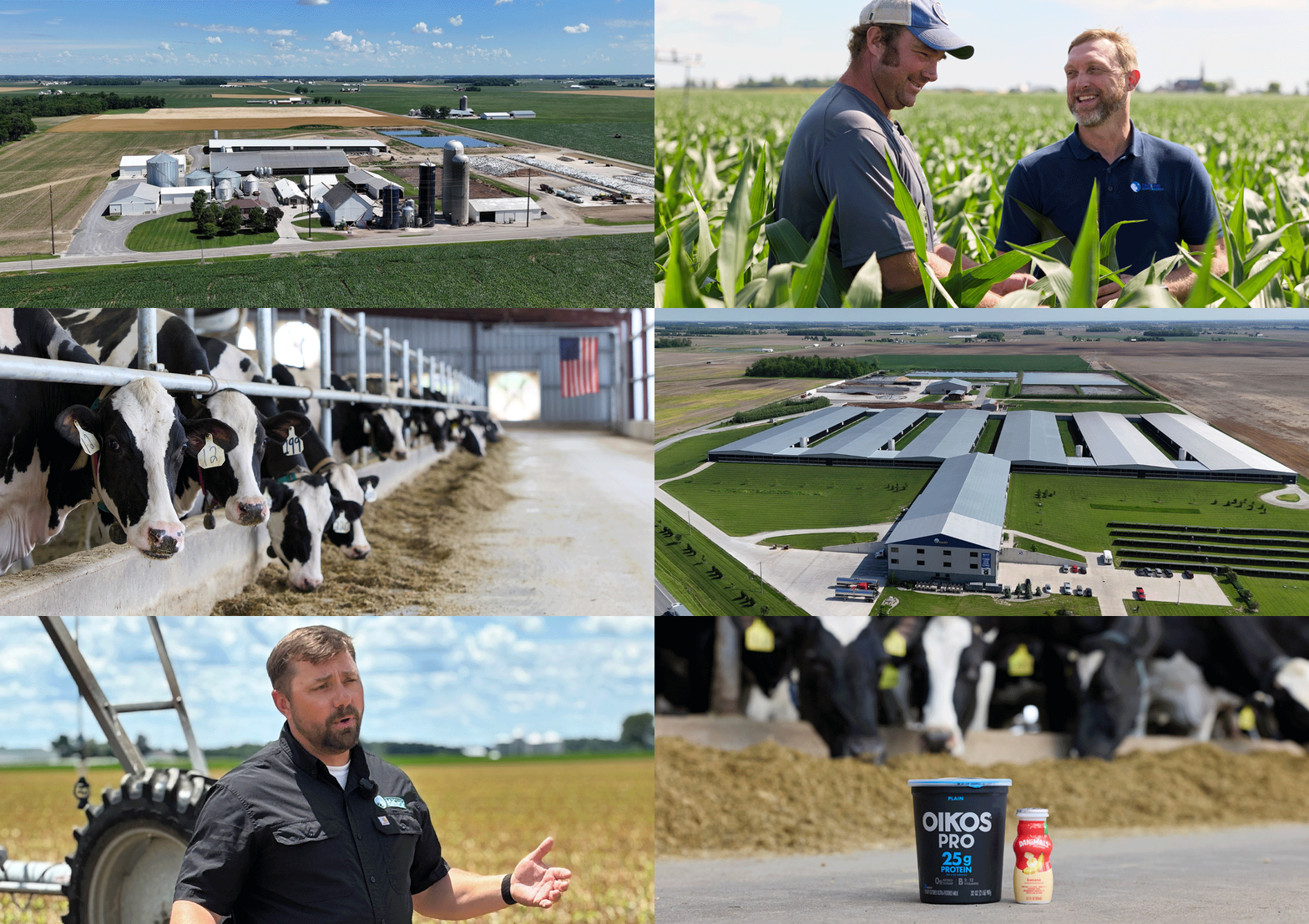
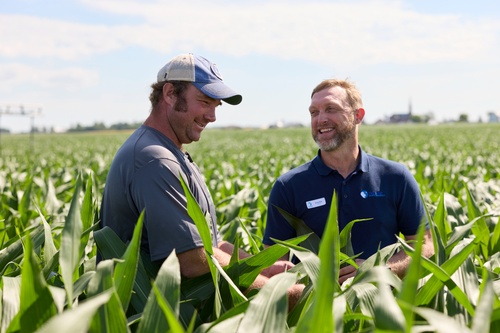
For farmers, that shift can fundamentally change how they operate. As Luke VanTilburg of MVP Dairy explains, “Our relationship with Danone has been a great relationship. It has allowed us to shift our focus from instead of just growing a commodity, we are now growing a product… it helps complete that story of soil to yogurt cup.”
In Danone’s case, those partnerships include investments in farmer training, on‑farm innovation, and the use of data and technology to track progress over time. The intent is to support farm businesses that can remain viable across generations, an increasingly urgent goal as consolidation reshapes the U.S. dairy industry.
Scaling Regenerative Practices in Dairy
These closer relationships have also created pathways for adopting farming practices often grouped under the umbrella of regenerative agriculture. Working with its suppliers, Danone has built a leading regenerative agriculture program in the United States.
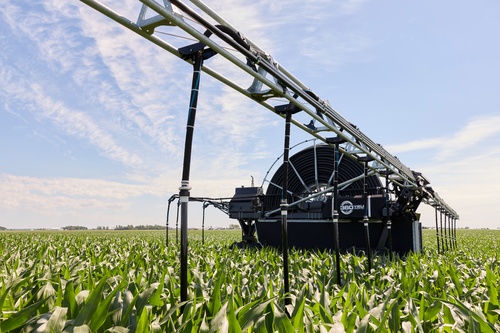
The program encourages resilient soil through crop rotation, smarter water use guided by data and reuse where possible, and improved cow comfort through bedding, fans, shade, and enrichment. As Kate and Greg Nye of Mountain View Dairy put it, “Nobody gets into farming because they don’t care… farmers do this because they love their animals and want to do better.”
While practices vary by farm and region, the common thread is a focus on efficiency and resilience rather than short‑term yield alone—an approach gaining traction across the dairy sector. As Ken McCarty of MVP Dairy notes, the program is driving “real world projects creating real world impacts on our farms,” helping sustain ecosystems and strengthen supply chain relationships. Simply put, he adds, “this program, and these projects matter.”
A Largely Domestic Supply Chain
These farm‑level efforts sit within a broader U.S. sourcing footprint. About 90% of Danone USA’s ingredients and packaging are sourced domestically, including more than 200 million gallons of milk purchased in 2025 alone. That volume makes Danone one of the largest milk buyers in the country, with significant exposure to the health of American dairy farming.
For farmers, large buyers can play an outsized role in shaping which practices are economically feasible. For manufacturers, closer ties to farms offer greater insight into how milk is produced at a time when consumers are paying more attention to sourcing. As Ryan and Krista Schmitmeyer of Owl Creek Dairy explain, “Americans are wanting healthier food overall… It’s our job to give Americans what they want, and people are looking for more sustainably raised, healthy food.”
What This Signals for the Dairy Industry
As food companies face scrutiny over supply chains and environmental impact, direct farm partnerships are emerging as one way to align agricultural realities with downstream expectations. Danone is leading the shift toward collaboration rather than distance between farms and food brands—a philosophy reflected in the Danone Impact Journey, the company’s roadmap for bringing health through food to as many people as possible. Through that journey, close collaboration with farmers is helping advance shared goals around sustainable agriculture, animal care, and resilient food systems.
The milk in a cup of yogurt tells a larger story, one about how American dairy is adapting, and how the relationships behind everyday foods are beginning to change.